
Village Life in All Its Glory
Village Life In All Its Glory
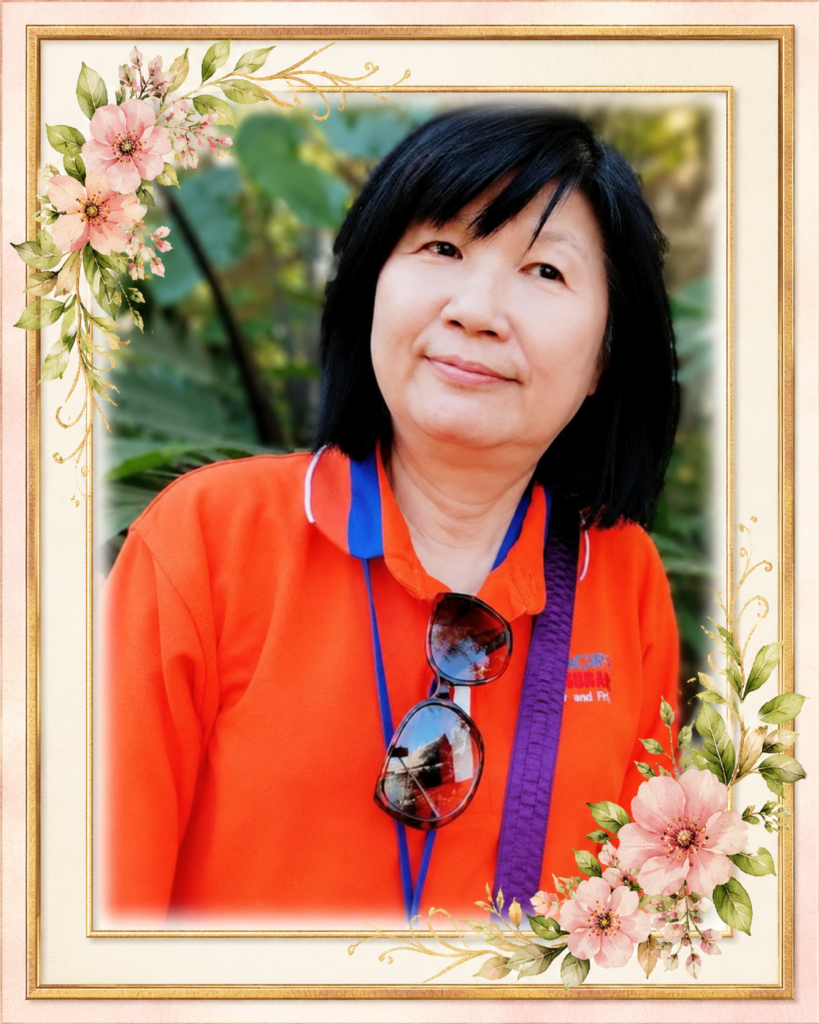
By Mrs Angela Toh, Principal of Kinder Labz Jalan Woodward
I was a true-born and bred village damsel who enjoyed village life to the fullest. My village was one of the New Villages established in the 1950s by the British colonial government during the Malayan Emergency to isolate and protect the Chinese community from the Malayan Communist Party.
My parents, who were town dwellers in the 1950s, already had a growing brood of children and could no longer fit comfortably into a rented room in one of the heritage buildings in Ipoh’s Old Town area. When they learned that a village house was up for sale, they immediately bought it and settled there.
The village was only a few kilometres from Ipoh town and transportation was never much of a problem. Buses and taxis served the area frequently. Want to go to town for a movie? No problem. A bus ride cost only ten cents for adults and five cents for children. Taxi rides were a flat twenty cents, shared among four passengers travelling to the same destination. If a passenger happened to be a young lady travelling at night, an empathetic taxi driver might even send her right to her doorstep at no extra charge. Bus stops were conveniently located along the main roads, often less than a hundred metres apart.
Back to my glorious village life. I was born two years after my parents and siblings moved into the village house. Perhaps it was the relaxed atmosphere or perhaps my parents wanted an offspring who was one hundred percent village-born. Whatever the reason, I owe them my gratitude because I thoroughly enjoyed my childhood.
The surroundings of our house resembled today’s eco-parks, except they were entirely natural. The most unforgettable place in my memory was the pond just ten metres from our home. Calm and scenic, it mesmerised me with its breathtaking wild grasses and purple water lilies. If I was lucky, I would spot a lone snake gliding across the water, creating gentle ripples as it swam and sometimes wild fowls moving between the grass. Spectacular scenes like these could easily make one dreamy and poetic.
The best part of the day came in the evening when the sun had set and nature’s orchestra began its nightly performance. The familiar chorus of insects, frogs and other small creatures filled the air. We became so accustomed to these sounds that a quiet night would have felt strangely unnatural.
To say that one would never go hungry in the village is no exaggeration. There was always plenty of land to grow fruit trees and vegetables. Our house had seven coconut trees, a ciku tree, a wild cherry tree, a rambutan tree, numerous banana trees and several guava trees. My siblings and I climbed trees as though it were the most natural thing in the world. Chickens were reared for home consumption and I could swear that the meat was organic and tasted much better back then.
If we felt like having fish porridge for supper, my brothers would simply catch some catfish from the pond and add them to the pot. In those days, houses were not fenced and everyone knew one another by name. Surplus food was generously shared among neighbours and any problems involving blown light bulbs or burst pipes were quickly attended to by helpful men living along the road.
I remember my siblings’ schoolmates frequently visiting our house to play table tennis, go fishing at the pond or simply relax beneath the fruit trees. This was especially true for those who lived in town and rarely had the opportunity to experience such surroundings or enjoy fresh, unpolluted air.
During my childhood, I played games such as hide-and-seek and cops and robbers with the other children from nearby houses. One can still imagine the sight of bright, colourful lanterns carried by groups of delighted children lighting up the village roads during the Mid-Autumn Festival.
Life in the village was truly wonderful, full of adventure and extraordinary experiences. It was indeed the envy of our counterparts who lived in town.
Key Vocabulary
Brood: A large family of children
Heritage: Having historical or cultural importance
Empathetic: Showing understanding and concern for others
Mesmerised: Fascinated or captivated
Scenic: Beautiful and pleasant to look at
Chorus: A combination of many sounds together
Accustomed: Familiar with something through repeated experience
Reared: Raised or brought up
Surplus: More than what is needed
Extraordinary: Remarkable or unusual in a positive way
At ILTI, learning goes beyond textbooks and examinations. Through reading, writing and meaningful discussions, students develop the ability to express themselves with confidence and preserve stories that matter.
Mrs Angela Toh’s heartfelt recollection of her childhood in old Ipoh reminds us that good writing does more than describe experiences – it brings memories to life and connects generations.
Let’s be aspired to write with clarity, creativity and purpose. Join us at ILTI and discover how language can become a lifelong gift.
Your English learning journey starts here. Call/WhatsApp: 010-395 3067 or email us at info@ilti.edu.my
Transform your English skills—one word at a time.