Deepavali Celebration
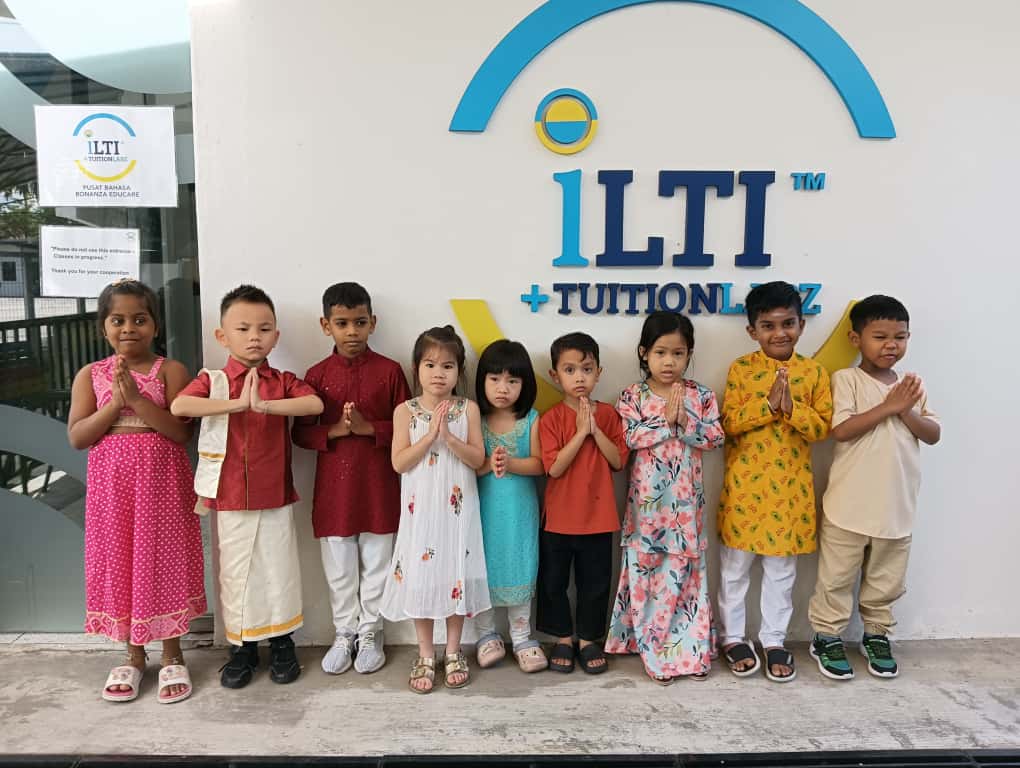
Deepavali Celebration
NAME: FONG KHAI LYNN
LEVEL: UFCE
Being a unique and multi-cultural country, countless festivals highlighting Malaysia’s diverse ethnicities, religions, and races are celebrated each year. One particular time of the year stands out. When the streets are filled with vibrant colours and the air is rich with the aroma of spices — it is none other than Deepavali.
Deepavali, also known as the Hindu Festival of Lights, symbolises the spiritual victory of light over darkness, good over evil, and knowledge over ignorance. The date of Deepavali changes every year according to the Hindu calendar, but no matter where or when it is celebrated, it never fails to be festive and full of joy.
When magenta replaces muted brown, parakeet green drapes over ivory, and saffron substitutes grey, you know the country is getting into the Deepavali spirit. There is never a dull moment during this celebration, as upbeat traditional music, colourful decorations, and cheerful laughter fill every corner.
And then there’s the food! Your taste buds will be delighted by the bold and rich flavours of Indian cuisine. From crispy snacks like murukku and samosa to aromatic curries, every dish is bursting with unique spices and textures that reflect the heart of Indian culture.
Beyond the vibrant festivities and mouth-watering dishes, Deepavali is a special time to spend with family and loved ones. It is a moment to appreciate togetherness, forgiveness, and gratitude. After all, no festival is complete without celebrating it with the people who mean the most to us. As the saying goes, “The more, the merrier.”
NAME: KELLY CHEANG
LEVEL: UFCE
Deepavali, also known as Diwali, is one of the most important festivals celebrated by Hindus all around the world. It takes place every autumn, usually between October and November. It is also called the Festival of Lights because people light up oil lamps and put up colourful decorations around their homes to symbolise the victory of light over darkness and good over evil.
Prior to Deepavali, people clean and decorate their homes with coloured rice, diyas, and lights to welcome prosperity and good fortune. They create beautiful kolam patterns on the floor using coloured rice or flour. On the day of the festival, women wear sarees, one of the most iconic Indian dresses, while men wear kurtas. Families visit temples to pray for peace and happiness, and they worship Goddess Lakshmi and Lord Ganesha during Deepavali.
At night, children enjoy lighting fireworks and spending time with their friends around the neighbourhood. The streets are lively with music, laughter, and the glow of lamps everywhere.
During the celebration, families share delicious Indian sweets coconut candy and laddu. They also exchange food and gifts with friends and relatives. Homes and streets are filled with bright oil lamps, colourful lights, and cheerful laughter, creating a warm and joyful atmosphere.
Deepavali is not just a celebration of light, but also a festival of joy, love, and togetherness. It brings families and friends together in harmony, creating beautiful memories. The festival reminds us that no matter how dark life may seem, goodness and light will always overcome evil and darkness.
Words to learn:
ethnicities – the quality or fact of belonging to a population group or subgroup made up of people who share a common descent or cultural background
drapes – cover or wrap loosely with folds of cloth
muted – (of colour or lighting) not bright; subdued
substitutes – a person or thing acting or serving in place of another
delighted – feeling or showing great pleasure
aromatic – having a pleasant and distinctive smell
worship – the feeling or expression of reverence and adoration for a deity
At ILTI, we encourage our learners to polish their language skills via real-life situations. We do not practise the chalk and talk approach – we learn and have fun at the same time. Join us today by calling / WhatsApp 010-395 3067 or email: info@ilti.edu.my.